For Tamir Harper; Community Building Is Everybody’s Job
“It is not a job of the folks that are on the ground doing advocacy work to reach out to government. It is time for government to get out of the shiny building with the nice office and chairs and meet people where they are to do the work.”
Tamir Harper has been called a lot of things: an acclaimed education advocate, non-profit executive, international board member of Alpha Phi Alpha Fraternity Inc., and even political aide.
But if you asked him, which we did, Tamir describes himself as “Just a Black kid from Southwest Philly.” A proud and devoted son of the Philadelphia public school system, Tamir’s passion for education and access is seen through his work in the halls of academia, in the boardrooms of various organizations, a few of which he founded, and in the communities most affected by our city’s education policies. That work led Tamir to shake hands with Presidents and community activists alike, to advise local and national leaders, to the pages of well-known publications, and to become one of the most sought-after advocates in education.
But none of those are his goal.
His goal? “To make a sustainable change that will last for generations here in the city that raised me, gave me everything, and taught me everything I know today,” he says.
But what does that sustainable change look like? When asked his thoughts on improving the education system in the City of Brotherly Love in a way that centers students and their families, Tamir reminds us that, while this work is everyone’s job, those in government can and should do more to connect with those working within communities. “It is the job of the government to work with the folks that are doing the work, that want the groundwork.”
He envisions both community and government working together for both the betterment and advancement of the city’s students and their families. “It is not a job of the folks that are on the ground doing advocacy work to reach out to government. It is time for government to get out of the shiny building with the nice office and chairs and meet people where they are to do the work.”
One of the biggest issues Tamir sees with “the work”, from his unique position having experience in government and with community members, is not enough of it gets done. “It feels like we’ve been at a standstill for some time,” he says. “We are doing the same thing over and over. We don’t need to sit at a table and talk about the problem. Now we need to come together and make solutions because that’s the only way we’re gonna get better.”
That communication is vital because, as Tamir points out, neither communities nor governments on their own can solve the issues Philadelphia faces. “We need people on both ends,” he says. “We need folks in the system, questioning it, but also saying what’s actually happening. And we need folks outside protesting and drumming and stopping traffic to say we’re not standing for this. We are going to, as they stay in the state house and the state side, that we are the city of first-class- they ‘bout to see the city first class at work.”
-
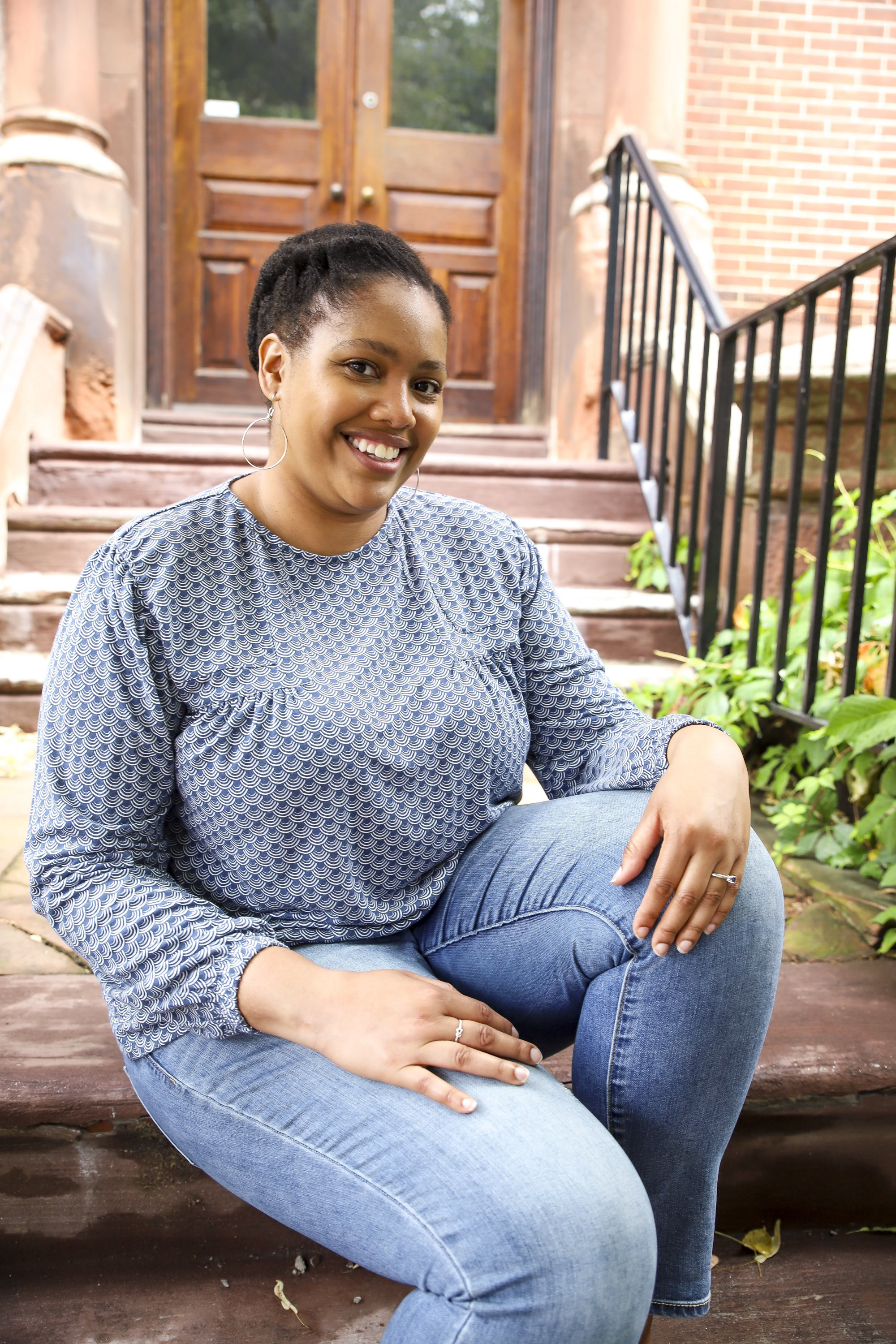
Whitney Roberts
Whitney Roberts is a Philadelphia writer, podcaster, and content creator featured by the NAACP, Wired, NBC, and more. She contributes to outlets like TheRoot and NPR, amplifying diverse voices and stories.