Gran Varones: Louie Ortiz-Fonseca and a Decade of Documenting Queer Latinx Stories
For the past decade, Louie Ortiz-Fonseca has been amplifying the voices of Black and Brown queer communities through Gran Varones, a digital storytelling project blending personal narratives with pop culture history.
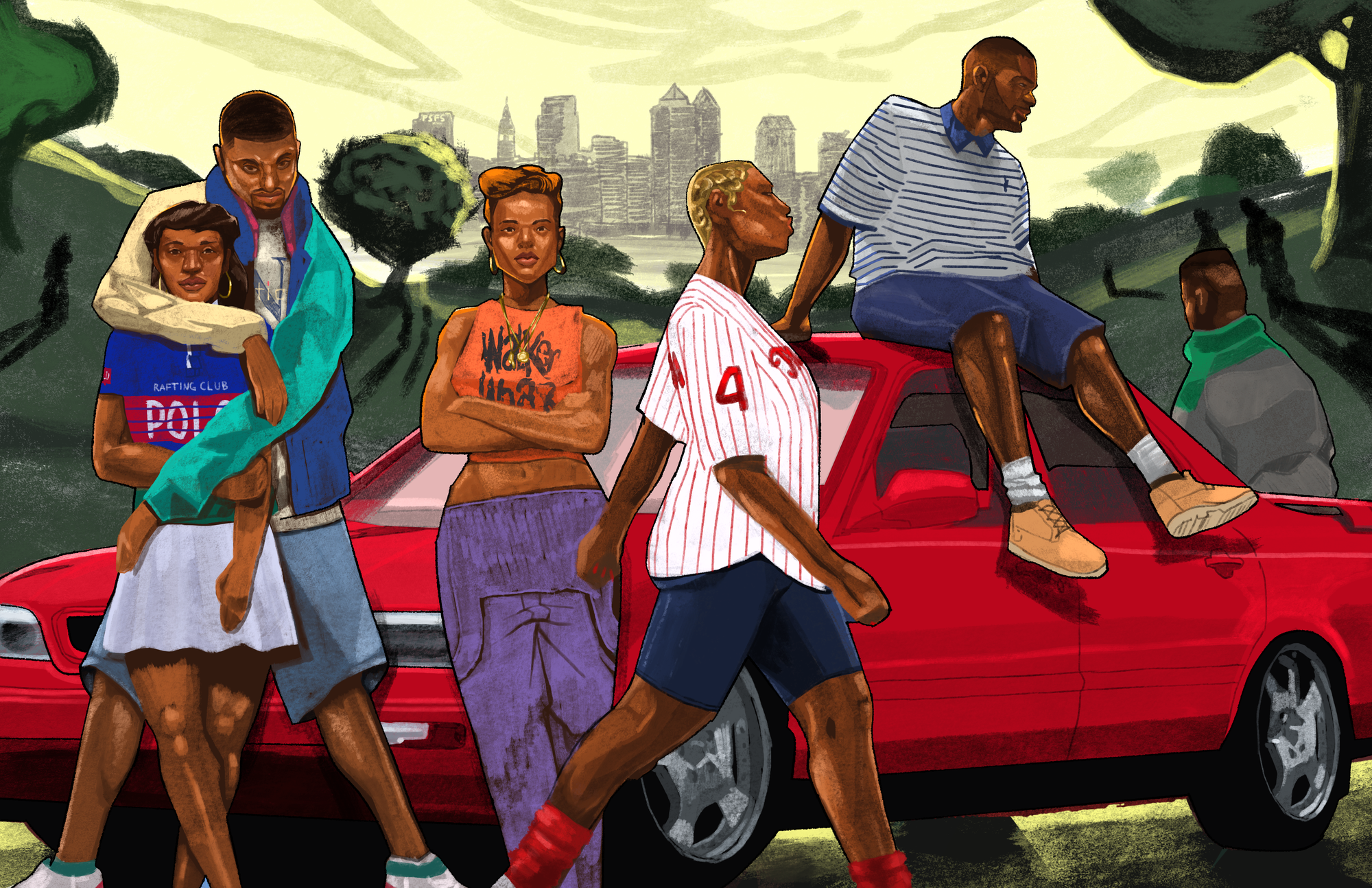
For the past decade, Louie Ortiz-Fonseca has been amplifying the voices of Black and Brown queer communities through Gran Varones, a digital storytelling project blending personal narratives with pop culture history. Ortiz’s unique approach uses '80s and '90s music, television, and historical events to contextualize contemporary queer experiences.
Gran Varones often draws on historical and pop cultural references, creating a bridge between past and present queer experiences through a Black and Brown lens. This approach solidifies Gran Varones as an essential resource for understanding the intersection of queer identity, race, and history.
When Gran Varones was founded, digital spaces for queer Latinx storytelling were virtually nonexistent. Ortiz-Fonseca recalls, “Ten years ago, Instagram was still emerging. There weren’t many digital spaces for our stories, and in Philadelphia, queer culture was largely either white or existed in this ‘colorblind’ fallacy.” In response, Ortiz-Fonseca and two friends created a space that met people where they were, whether at home, at clubs, or online.
Ortiz-Fonseca envisioned a project that directly engaged with the community. “We started meeting queer Latinxs, focusing on Black queer Latinx folks, and documenting their stories in their own words,” he recalls. This commitment to telling stories by and for the community became the driving force behind Gran Varones.
Ortiz-Fonseca emphasizes that Gran Varones was never designed to cater to non-Latinx-led projects. “That would steal my joy,” he says. “Our goal is to interrupt narratives and provide history: from the past and now, making connections. Ten years from now, people can read history from people who look and sound like them, not from folks who weren’t there.” This ethos shaped the project into a platform that foregrounds voices often overlooked in mainstream queer media.
At its inception, amplifying the stories of everyday queer Latinx people was radical. Ortiz-Fonseca explains, “The people usually asked to tell their stories were those with privilege or social capital, like student leaders or LGBTQ activists. We wanted to talk to folks living with their grandmothers, working at McDonald's—people whose stories are valuable but aren’t considered ‘Inspirational.’”
Ortiz-Fonseca’s extensive experience in HIV advocacy informed the project’s approach. He was aware that if he became the face of the interviews, the project might be mistakenly associated solely with HIV issues, which carried stigma at the time. Instead, team member Anthony conducted the interviews, allowing Gran Varones to sidestep preconceived notions.
Even in today’s world, where PrEP (pre-exposure prophylaxis) and "undetectable = untransmittable" messaging has made strides in combating HIV stigma, Ortiz-Fonseca points out that it still lingers in many communities. “PrEP has been around for over 10 years, but it still hasn’t reached the communities that need it most,” he explains. “A lot of the information some of us take for granted hasn’t made its way into certain neighborhoods or family conversations.”For Ortiz-Fonseca, HIV is personal. “I lost my aunt, my father, my uncle to AIDS. That kind of loss stays with you,” he shares. “Information is important, but for many people, their feelings about HIV are shaped by their experiences of grief.” This personal connection shapes the way Gran Varones tells stories—complex, relatable narratives that allow people to process their own grief and experiences on their own terms.
Ortiz-Fonseca’s journey into advocacy was unconventional. A high school dropout, he found solace in media during his youth. "I just didn’t like school. The girls teased me, the teachers weren’t equipped to handle it,” he reflects. “I decided I wasn’t going to spend eight hours a day feeling bad about myself when I could stay home and watch music videos instead.” Despite this, Ortiz-Fonseca’s exposure to media, and especially socially-conscious sitcom episodes, shaped his political worldview and moral compass.
His entry into HIV advocacy came unexpectedly. “I was at a club I shouldn’t have been at— Woody’s on teen night—and met a Latino gay boy with his boyfriend. We hit it off, and he gave me his number,” Ortiz-Fonseca recalls. This chance meeting led to a job at GALAEI, the Gay and Lesbian Latino AIDS Education Initiative. His passion for advocacy soon led to an internship opportunity in San Francisco. His informal style didn’t hinder his success, and after earning his master’s degree, Ortiz-Fonseca continued his advocacy work in HIV.
As Gran Varones evolves, Ortiz-Fonseca remains committed to ensuring Black and Brown queer stories are told authentically, free from outside influence. "We have to document our own history,” he insists. “No one else is going to do it for us.”
Through its blend of pop culture, personal narratives, and history, Gran Varones is not just preserving the past—it’s shaping the future of queer Latinx representation. Ortiz-Fonseca’s commitment ensures the stories of marginalized queer communities will continue to be celebrated and preserved for future generations.
-
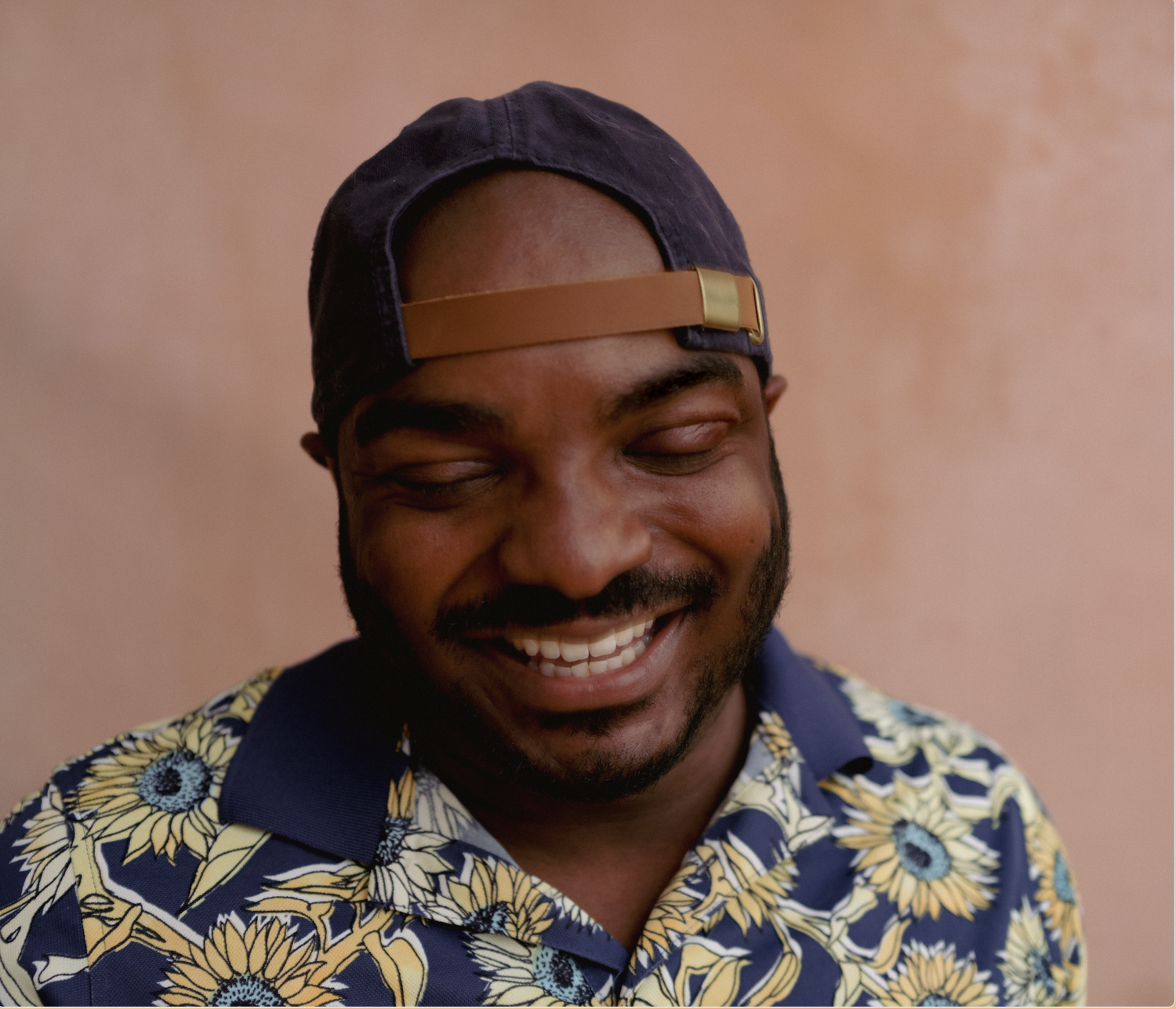
Aaron Brokenbough Jr.
Aaron Brokenbough is a Philly filmmaker, producer, and writer covering community, culture, and storytelling. He produces award-winning films and develops projects like Redefining Safety, highlighting Black, queer, and immigrant voices.