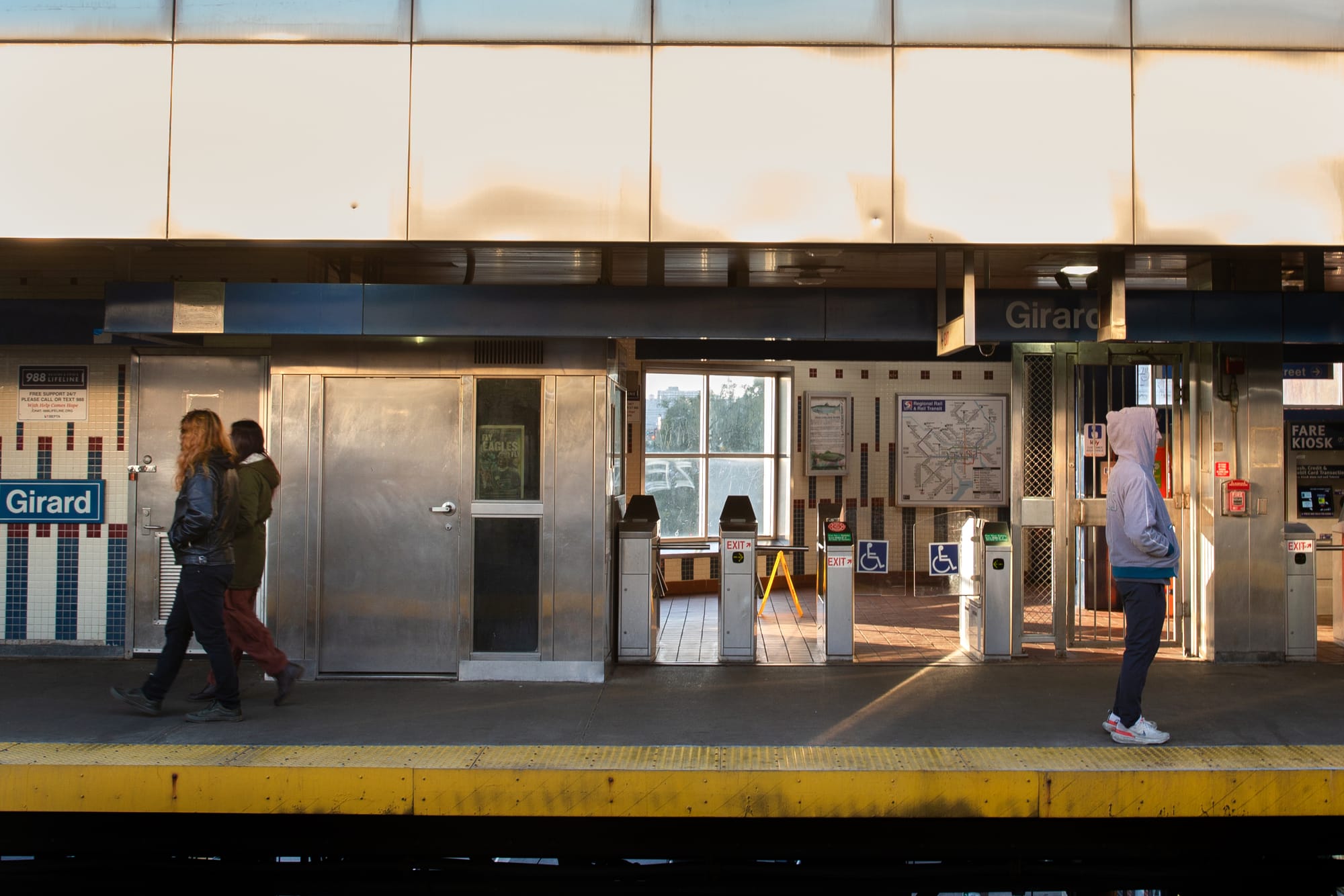
Why Can’t Pennsylvania Legislators Fix SEPTA? The Answer is Complicated
Recent debates around SEPTA’s funding have raised alarms about its future. State legislators are under pressure to address a looming budget shortfall, but as is often the case, politics complicates real solutions.
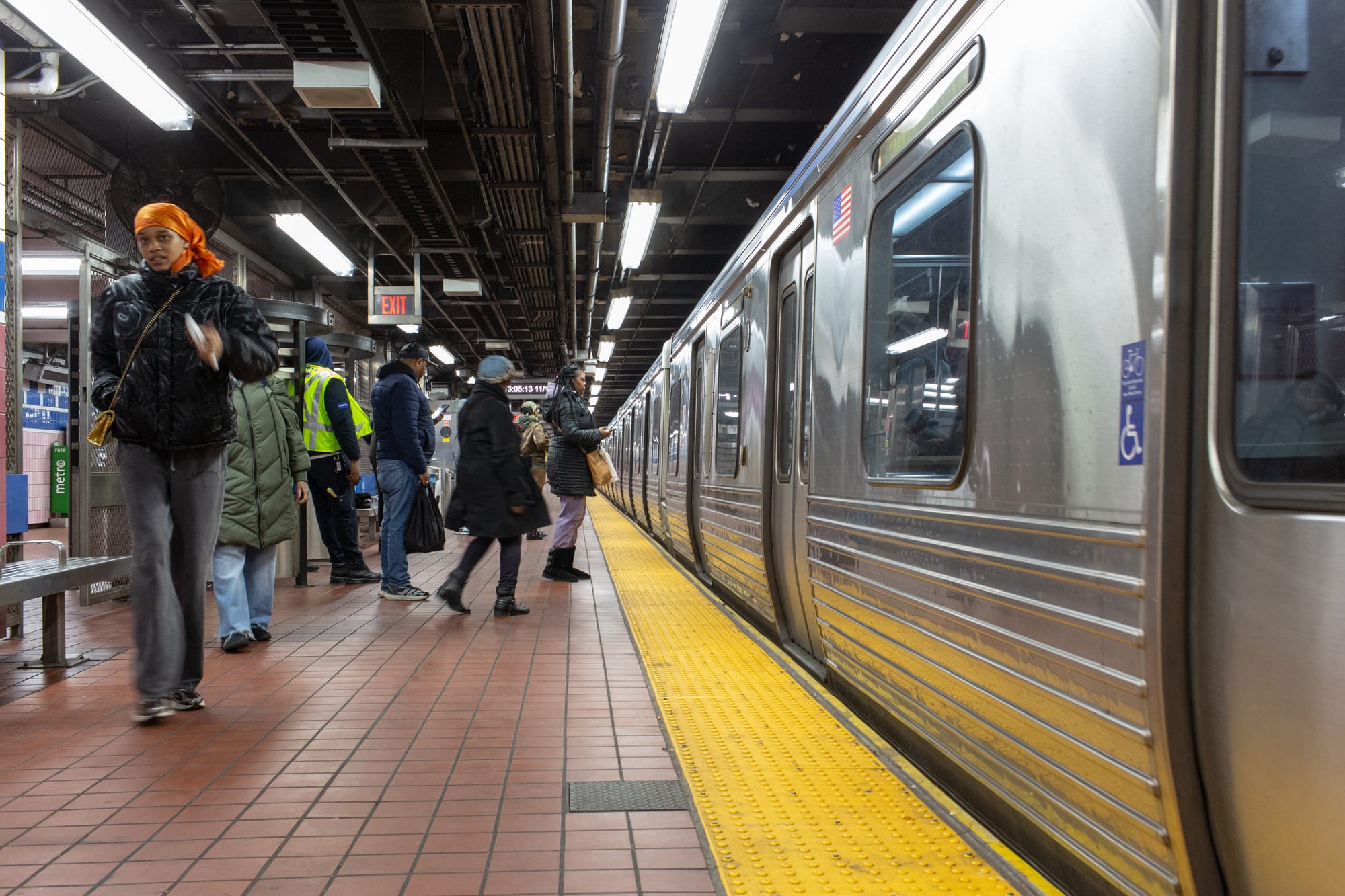
SEPTA, Philadelphia’s transit lifeline, faces mounting issues that are all too familiar to the city’s riders: late arrivals, missed stops, safety concerns, and cleanliness problems. For many, these frustrations are part of daily life, but for so many communities in Philadelphia—those who rely on affordable transit to access jobs, healthcare, education, and basic necessities—SEPTA's struggles represent much more than inconvenience. They are a barrier to economic opportunity and social mobility.
Recent debates around SEPTA’s funding have raised alarms about its future. State legislators are under pressure to address a looming budget shortfall, but as is often the case, politics complicates real solutions. Pennsylvania lawmakers, eyeing the upcoming election cycle, are reluctant to take a bold stand on a politically sensitive issue. Some have floated proposals involving gambling tax revenues to fund SEPTA, but no serious legislative efforts have materialized. "I do not have any sense of legislation [on SEPTA funding] that’s being written, or any pending legislation,” Anselm Sauter of the Philadelphia Chamber of Commerce told Billy Penn.
If lawmakers don’t act soon, SEPTA warns of a grim future for transit users: fare hikes of up to 30%, fewer buses and trains, and even the suspension of certain lines. These consequences would hit the city's most vulnerable the hardest, exacerbating inequalities and isolating entire neighborhoods. For Philadelphia to truly thrive, its public transit system must be affordable and reliable.
To put Philadelphia’s transit woes into perspective, it’s useful to compare SEPTA to systems in other major cities like Washington D.C. and New York. While all three systems serve large metropolitan areas, their funding structures, service levels, and impact on marginalized communities differ significantly.
In New York, the MTA faces its own challenges, but the sheer scale of the network—serving millions daily—keeps the city moving. MTA cannot fail because too many New Yorkers depend on it. New York politicians understand this and fight tooth and nail to ensure it will funded. Despite occasional delays and maintenance issues, New York’s transit system is still the backbone of the city, allowing residents from every borough to access the economic engine of Manhattan.
Washington D.C.'s Metro, while smaller than New York’s system, has received significant federal support due to the city’s status as the nation’s capital. From my personal experience riding Philadelphia, New York, and Washington’s transit system; DC is by far the superior public transit line.
This summer WMATA (Washington Metropolitan Area Transit Authority) secured a substantial financial boost from Congress in combination with support from three neighboring states to modernize its infrastructure. This highlights a stark contrast to Philadelphia, where SEPTA’s funding largely comes from state and local sources, making it more vulnerable to political fluctuations.
Philadelphia, by comparison, has neither the scale of New York’s system nor the federal support that Washington enjoys. SEPTA’s reliance on state funding, which is now in jeopardy, leaves the system in a precarious position. The lack of a long-term, sustainable funding mechanism is why SEPTA is on the verge of slashing services, and it’s a warning that, without change, Philadelphia’s transit future could be bleak.
Public transportation is more than just a convenience—it’s a lifeline, especially for marginalized communities. In Philadelphia, many working-class residents, people of color, and those with disabilities depend on SEPTA to reach essential services and jobs. When transit is unreliable or unaffordable, these groups are disproportionately affected. A 30% fare hike may be a minor inconvenience for middle-class riders, but for those living paycheck to paycheck, it could be the difference between affording groceries or making it to work on time.
Philadelphia has one of the highest poverty rates among major U.S. cities, with nearly a quarter of its population living below the poverty line. For these residents, SEPTA isn’t just an option—it’s the only option. A well-funded, accessible public transit system can help bridge the gap between opportunity and inequity. Reliable transportation allows individuals to reach better job opportunities, access higher education, and participate fully in civic life. Conversely, unreliable transit can entrench poverty, further isolating communities and deepening the city's economic divide.
If Philadelphia is serious about saving SEPTA and ensuring that transit remains affordable, lawmakers must explore more creative and sustainable funding mechanisms. One possibility is a congestion pricing model. In my opinion, the congestion pricing model is constantly overlooked as a solution to addressing SEPTA’s huge budget issue.
By charging vehicles entering Center City during peak hours, Philadelphia could both reduce traffic congestion and generate revenue for SEPTA. Such a system could also encourage more people to use public transportation, alleviating some of the pressure on the city’s roads.
Finally, federal support cannot be overlooked. Philadelphia’s congressional delegation should continue to advocate for increased federal transit funding, especially considering SEPTA’s critical role in connecting underserved communities. Federal infrastructure bills and urban revitalization projects should include substantial provisions for public transit, recognizing its importance as a tool for economic equity.
Without immediate action from state lawmakers, the system risks falling into a downward spiral of service cuts and fare hikes that will disproportionately impact Philadelphia’s most vulnerable residents. Public transportation is the backbone of any great city, and Philadelphia cannot afford to neglect its transit system any longer. By exploring new funding models, learning from other cities, and making transit a priority for all residents, Pennsylvania legislators have a chance to not only save SEPTA but to ensure it remains a lifeline for those who need it most.
-

Rotimi Adeoye
Rotimi Adeoye is a Philadelphia-based writer and columnist at The Daily Beast covering history, voting, and constitutional law. Formerly a speechwriter and Capitol Hill aide, he appears on MSNBC and writes for major publications.