SEPTA's High-Tech Answer to Fare Evasion Could Slow Stop-and-Frisk on Transit
The only mystery is why it took so long.
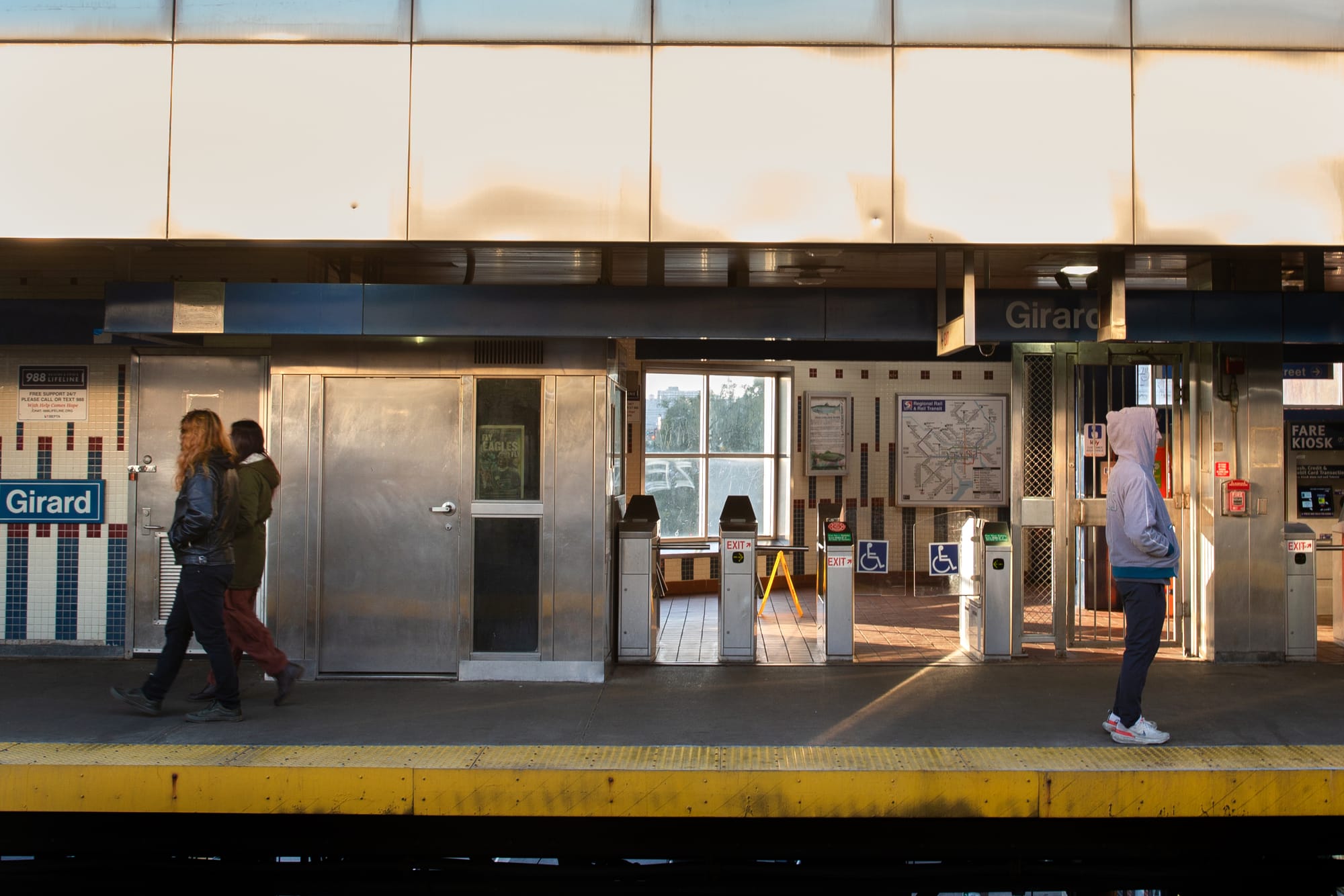
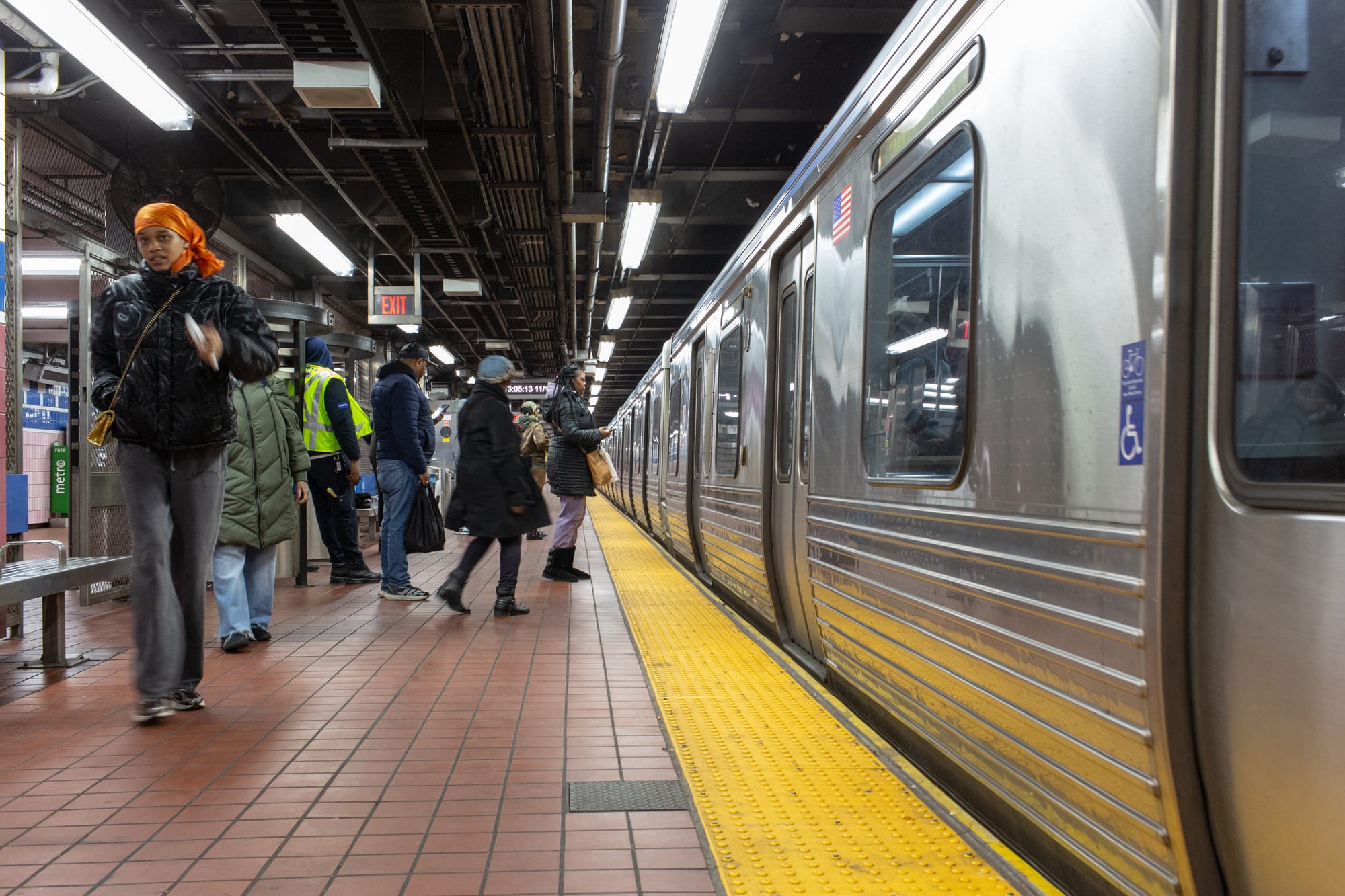
SEPTA’s new fare gates at City Hall are hard to miss. They rise shoulder-high and look like they were borrowed from London or Paris. More importantly, they make it genuinely difficult to slip through without paying. The gates are making an obvious bet: solve a design problem with design.
That shift matters because fare enforcement in Philadelphia has never been neutral. It has worked like a soft stop-and-frisk program on transit. SEPTA does not publish demographic data on evasion stops, but riders and advocates have documented the pattern for a long time.
Teenagers of color, especially Black and Latino boys, are the ones most often singled out at station entrances. Anyone who rides regularly has seen it: a cluster of kids in backpacks gets slowed down, questioned, searched, sometimes ticketed, while office workers who fumble a Key card get waved through with a reminder. The lesson is clear and ugly: On SEPTA, some riders are treated as customers and others as suspects.
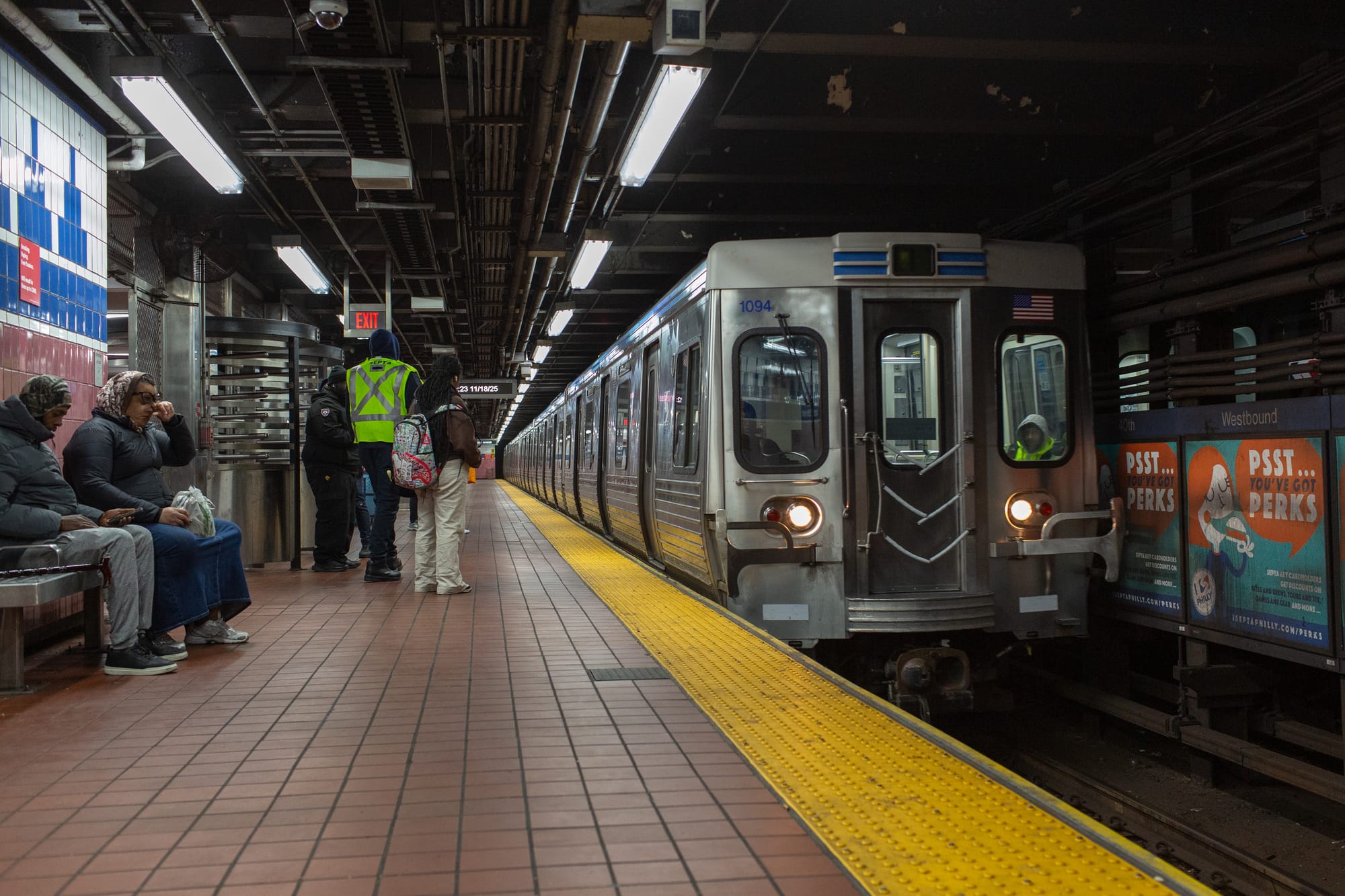
A system that relies on officer discretion at the gate invites racial profiling. Discretion means an officer decides who “looks like” they might jump. In a city with deep, unresolved habits of overpolicing Black youth, that decision is rarely colorblind. Add the daily rush, cramped concourses, and the power imbalance between armed adults and teenagers, and the entrance becomes a tinderbox.
What starts as a fare dispute can become a frisk, a summons, or a rough arrest because a kid talks back, a crowd gathers, or an officer decides to make an example. The gates offer a straightforward way out. If the fare line itself is secure, there is less reason to station police there in the first place. That approach is not soft, it is practical. A gate does not get a hunch about a teenager’s hoodie. It does not trail someone because they look poor. It does not decide one rider is suspicious and another is just distracted. It applies the rule the same way every time. If you want to reduce evasion without reproducing bias, you remove the setting where bias thrives.
Critics will say gates are expensive, and SEPTA’s problems run deeper than turnstiles. The system is still underfunded, Pennsylvania Governor Josh Shapiro and leaders in Harrisburg failed to put together a plan that funded SEPTA properly. Trains and buses still arrive late or not at all. Operators still face harassment with too little backup.
But this is still the right kind of investment. Infrastructure improvements do two things at once. Primarily, they protect revenue and they shape how riders experience the system. When entrances feel orderly and modern, paying feels normal. When entrances feel like checkpoints, riding feels conditional. SEPTA has leaned on policing to project control, but policing at the gate has mostly projected hostility. That drives riders away, which worsens the fiscal spiral SEPTA claims to be fighting.
Second, such infrastructure improvements also address a basic fairness question. SEPTA is not inventing a novel solution here. It is adopting a baseline feature that many large systems in Europe treat as standard. The old waist-high turnstiles were easy to hop, so people hopped them. SEPTA responded with police crackdowns that fell hardest on young people of color, then acted surprised when trust eroded. Better doors were always the obvious fix. The only mystery is why it took so long.
What should happen next is just as important as the pilot itself. First, SEPTA should expand these gates beyond Center City, not only in the stations used by commuters and tourists. If the point is to reduce biased enforcement, the upgrade cannot be confined to the places where bias is least visible.
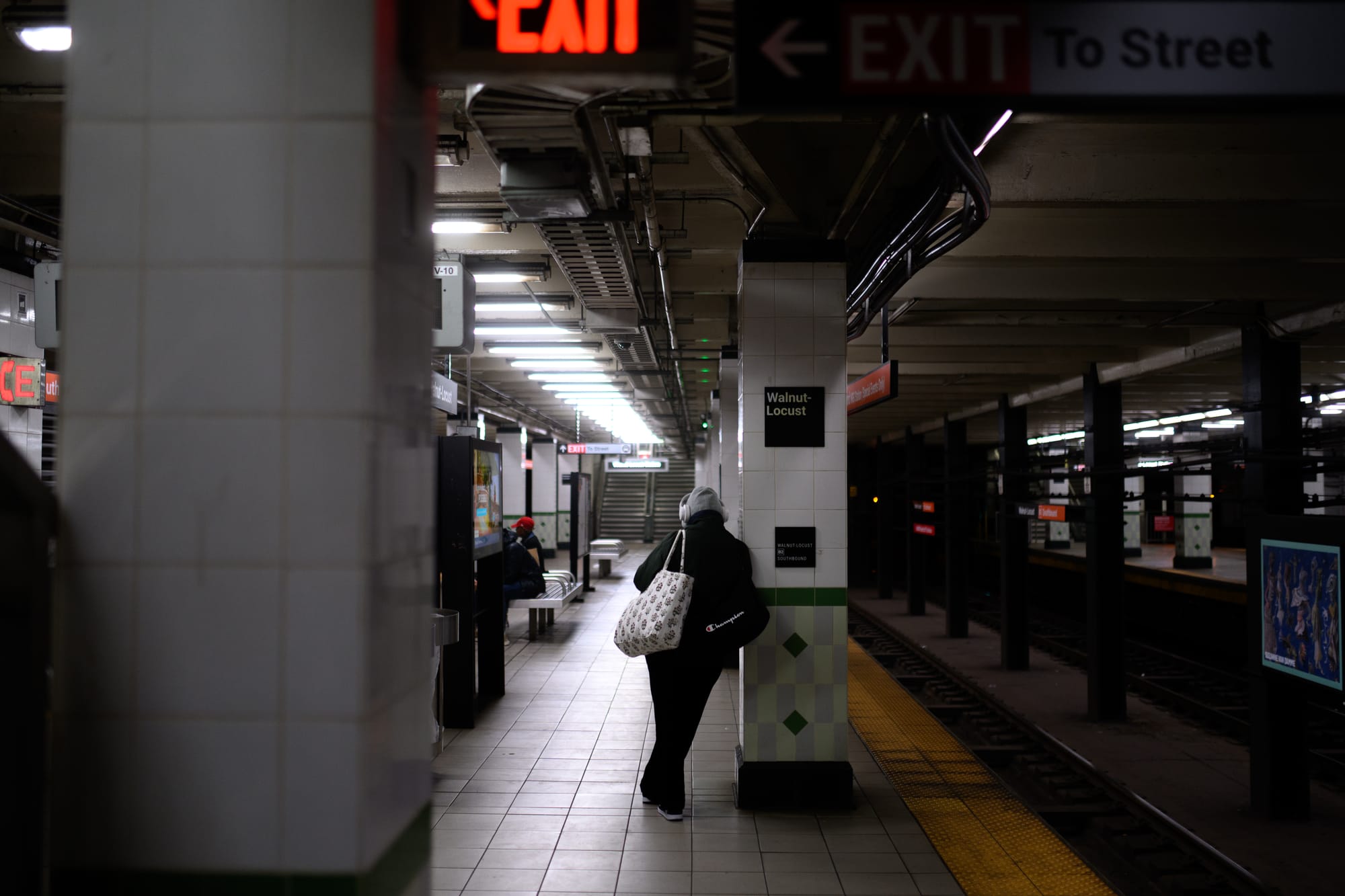
Next, SEPTA should pair the gates with easier payment options, more visible staff trained to help, and real improvements in service reliability. Riders are more likely to pay when they feel the system respects their time and gets them where they are going.
SEPTA should treat any savings from reduced evasion as a chance to rebuild the transit experience, not to fund another round of “targeted police enforcement.” The revenue problem and the legitimacy problem are linked. You cannot solve one while deepening the other.
Public transit is one of the few civic spaces where Philadelphians constantly intersect across racial and class lines. The entrance to that space should be ordinary, not a stage for suspicion. If a teenage rider learns that tapping in means getting stared down by a police officer, you are teaching a generation that the city is not theirs. These gates are a small piece of metal and glass, but they represent a bigger choice: engineer fairness into the system instead of trying to overpolice people.
-

Rotimi Adeoye
Rotimi Adeoye is a Philadelphia-based writer and columnist at The Daily Beast covering history, voting, and constitutional law. Formerly a speechwriter and Capitol Hill aide, he appears on MSNBC and writes for major publications.