Project 2025 and DOGE: How Philadelphia Will Pay the Price
The promised cuts are not mere political rhetoric; they represent an imminent reality, with Philadelphia standing to lose critical federal funding that supports housing, healthcare, education, and social services.
With Donald Trump’s return to the presidency, Project 2025 is poised to make its mark on cities across the United States, and Philadelphia is squarely in its crosshairs.
Trump has announced the creation of the Department of Government Efficiency (DOGE), helmed by none other than billionaire Elon Musk and business executive Vivek Ramaswamy.
With Trump’s blessing, DOGE is tasked with slashing what the administration deems as wasteful government spending. This initiative, underpinned by a stringent “cut everything” ideology, signals dire consequences for cities like Philadelphia—particularly its Black communities and other vulnerable populations.
The appointment of Project 2025’s chief architect Russel Vought to lead the White House Office of Budget and Management underscores the gravity of the situation. As the primary arm shaping federal policy and spending, this office wields considerable power.
The promised cuts are not mere political rhetoric; they represent an imminent reality, with Philadelphia standing to lose critical federal funding that supports housing, healthcare, education, and social services. For a city already grappling with systemic inequality and chronic underfunding, the implications are profound.
Black communities in Philadelphia are likely to bear the brunt of these cuts. Federal programs like the Housing Choice Voucher Program, Supplemental Nutrition Assistance Program (SNAP), and Medicaid are lifelines for many residents.
Curtailing these programs could exacerbate housing insecurity, food deserts, and health disparities in neighborhoods that are already marginalized. Moreover, the proposed rollbacks in education funding threaten the future of predominantly Black public schools, widening the achievement gap and entrenching cycles of poverty. For a city where nearly 23% of residents live below the poverty line, these cuts could have catastrophic ripple effects.

Local political leaders are sounding the alarm. Pennsylvania State Senator Vincent Hughes has been proactive in raising awareness about the potential impacts of Project 2025. Hosting events with subject matter experts, Hughes has sought to educate constituents on what lies ahead and advocate for preemptive measures at the state level. He argues that the state legislature must take a hard look at how these federal cuts will reverberate through Pennsylvania’s largest city and prepare a robust response.
On the municipal front, the Philadelphia City Council is stepping up its efforts to shield residents from the fallout. Councilmember Rue Landau has introduced a resolution reaffirming the city’s commitment to protecting its most at-risk populations.
The resolution directs the Committee on Law and Government to hold hearings on Philadelphia’s preparedness to counter Project 2025’s policy shifts. These hearings aim to explore strategies to safeguard immigrants, working-class individuals, LGBTQ+ communities, and reproductive freedoms—all of which could come under threat under the Trump administration’s sweeping agenda. “As we face the uncertainty of the political landscape” Councilwoman Landau emphasized, “our city must ensure that every resident, regardless of their background or identity, feels safe and supported.”
The city council’s resolution, while symbolic, sets the stage for tangible responses to federal austerity measures. But questions remain: Will the state legislature act decisively to fill funding gaps? Can local governments form coalitions to push back against these cuts?
For Philadelphia’s Black communities, the stakes are particularly high. Federal funding cuts to programs like the Community Development Block Grant (CDBG) could jeopardize affordable housing initiatives and neighborhood revitalization projects. Health programs funded through Medicaid and CHIP—critical for low-income families—face significant reductions, threatening access to essential care. These cuts would not only deepen inequities but also destabilize entire neighborhoods, leading to a cascade of social and economic consequences.
Moreover, the rollback of environmental protections and sustainability grants could have dire implications for public health. Many of Philadelphia’s Black and low-income neighborhoods already contend with disproportionate exposure to environmental hazards, such as lead contamination and industrial pollution. Federal funding cuts in this area would further erode the city’s capacity to address these issues, placing already vulnerable populations at greater risk.
Philadelphia’s leadership, however, is not without recourse. The city has a long history of resilience and activism in the face of adversity. Community organizations, faith leaders, and local advocates are mobilizing to resist these changes. Collaborative efforts between city officials, state legislators, and community stakeholders could form the backbone of an effective response strategy.
As Philadelphia braces for the arrival of Project 2025, the city’s resilience will be tested like never before. The proposed federal cuts are not just an abstract policy shift; they represent a direct assault on the livelihoods and well-being of thousands of residents. Black communities, already shouldering disproportionate burdens, stand to lose the most. Yet, Philadelphia’s history of activism and resistance offers a glimmer of hope.
Through coordinated action, strategic planning, and unwavering commitment to equity, the city can rise to meet this challenge. But make no mistake: the road ahead will be arduous. Project 2025’s austere vision for America is fundamentally at odds with the vision of Philadelphia.
-
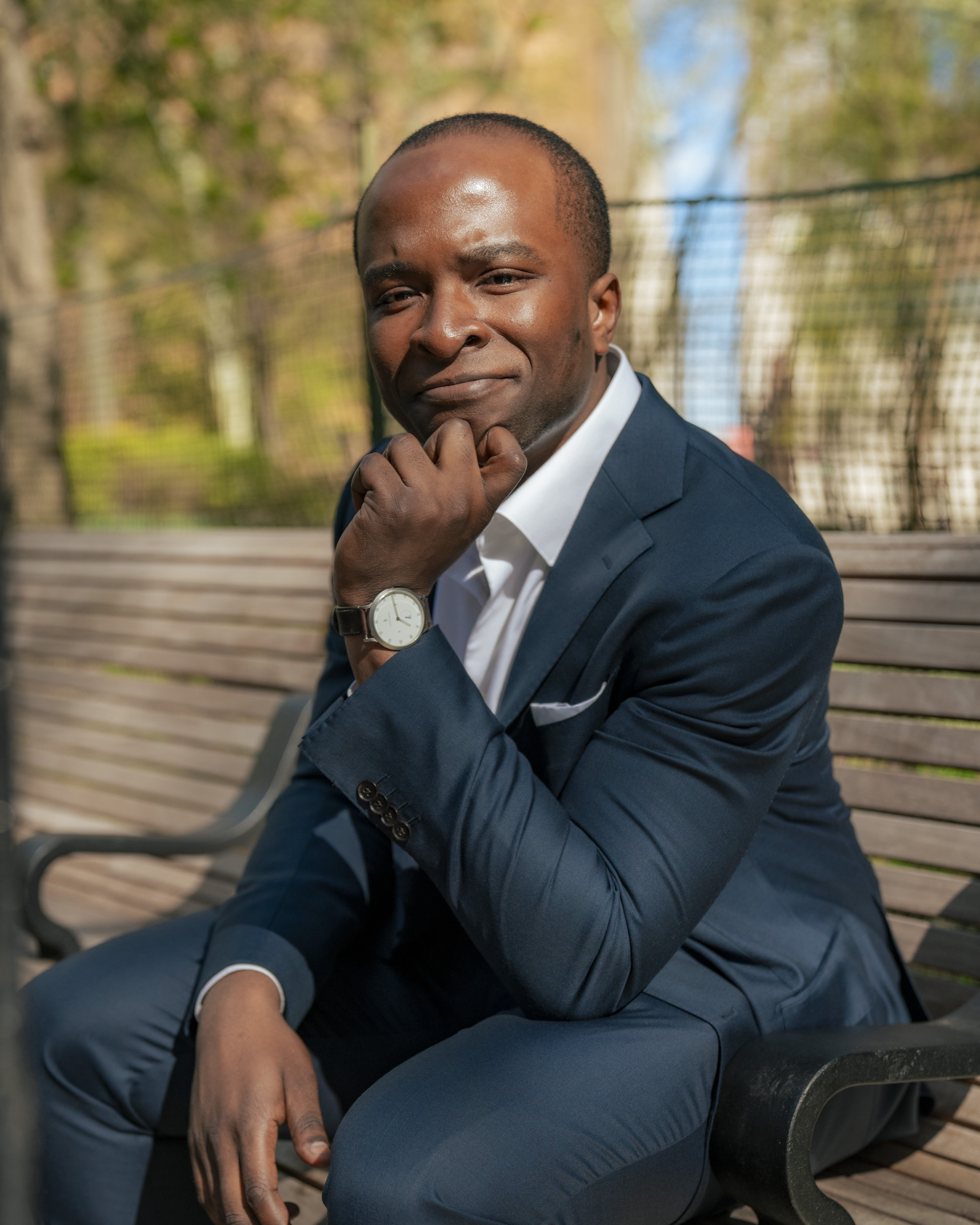
Rotimi Adeoye
Rotimi Adeoye is a Philadelphia-based writer and columnist at The Daily Beast covering history, voting, and constitutional law. Formerly a speechwriter and Capitol Hill aide, he appears on MSNBC and writes for major publications.