OPINION Civics & Society
Opinion: Philadelphia Runs on SEPTA. Harrisburg Still Treats It Like It’s Optional
Lawmakers from rural and exurban districts can portray transit funding as a regional concern rather than a statewide priority. That framing ignores economic reality.
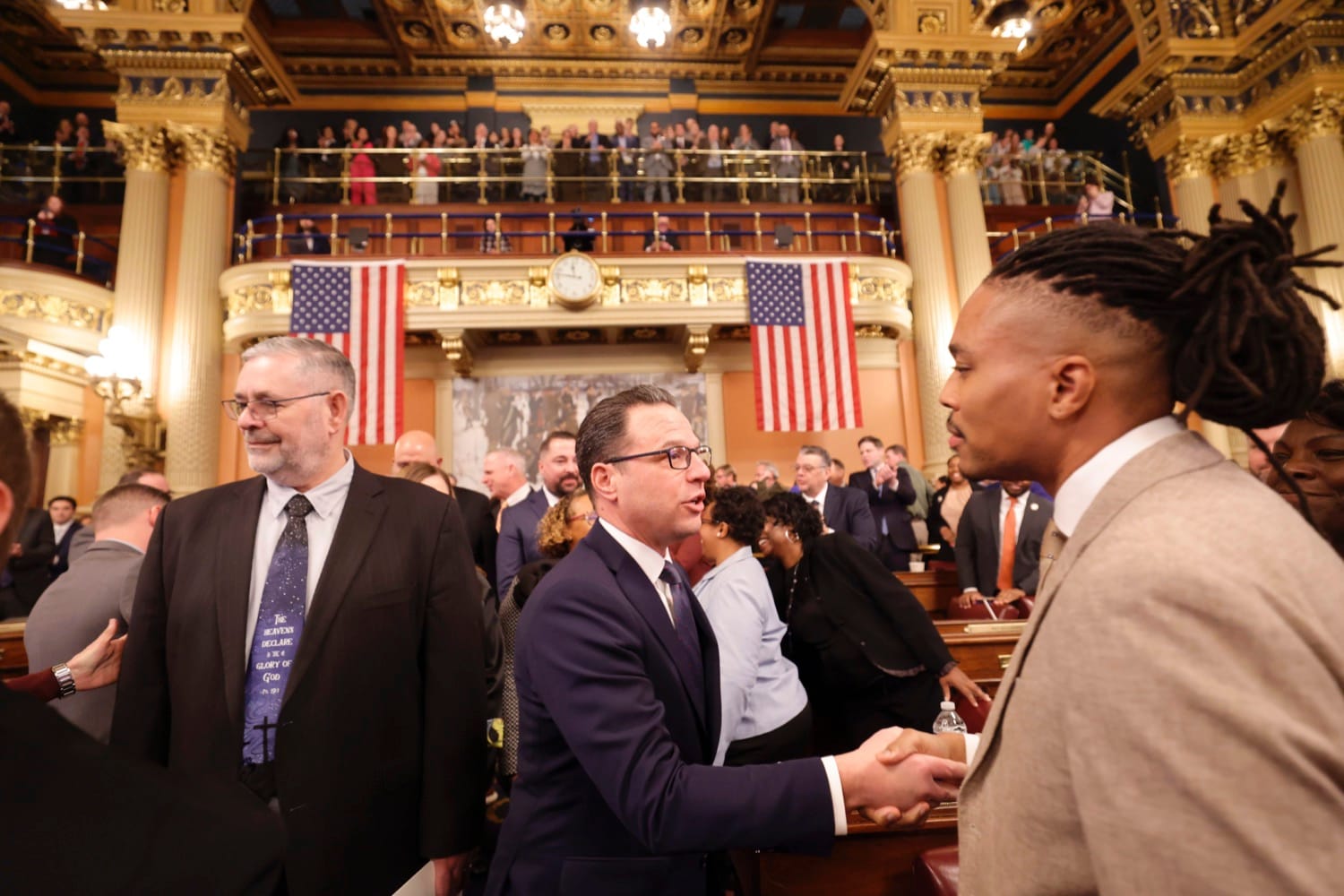
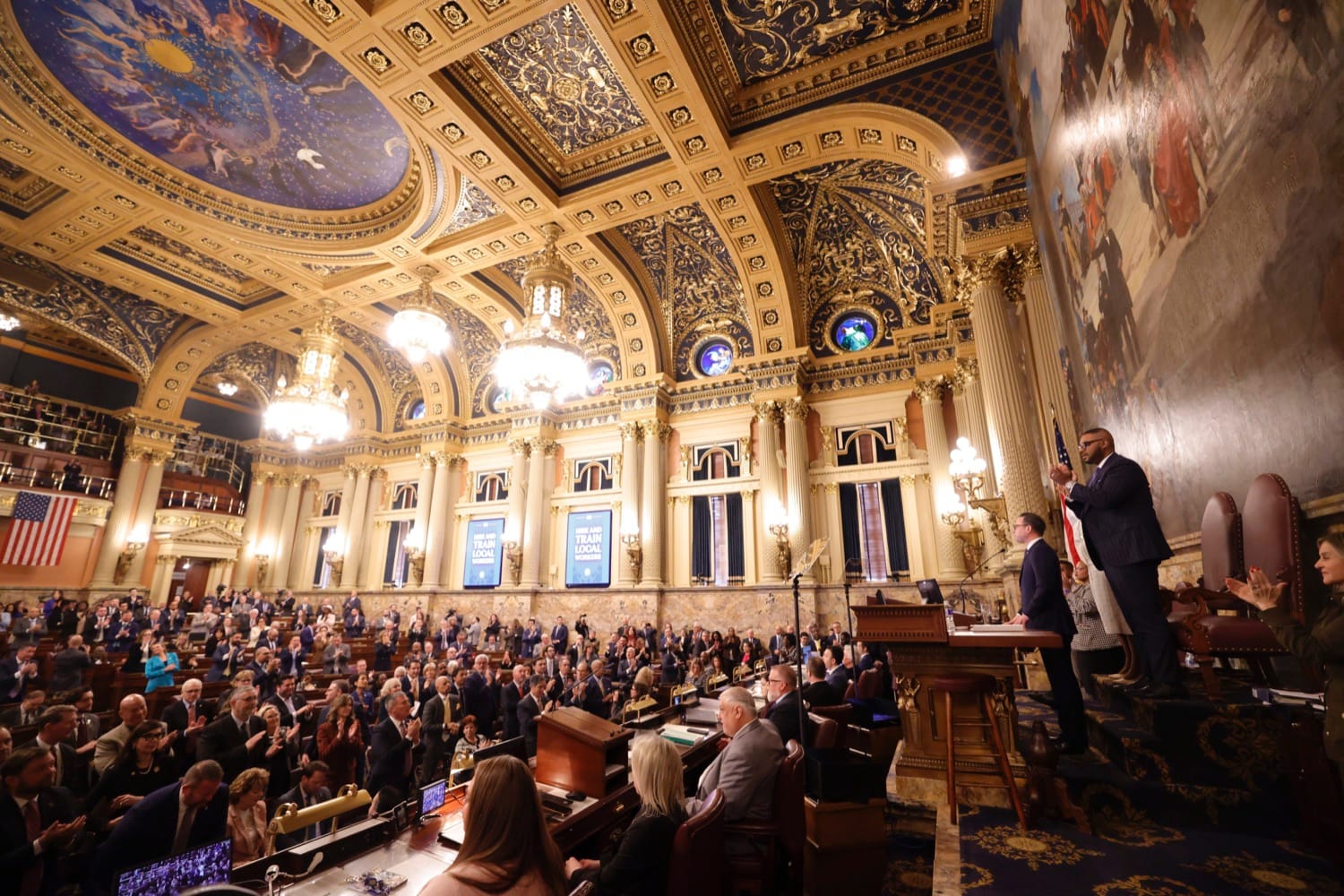
On paper, Governor Josh Shapiro’s new $53.2 billion budget reads like a confident governing document. It boosts school funding, revives the push for a higher minimum wage, and sketches out new revenue ideas to stabilize mass transit in the years ahead. In press conferences, the tone is optimistic. Pennsylvania is growing. Investments are coming. The future is being planned.
But for the hundreds of thousands of Philadelphians who rely on SEPTA to get to work, class, doctor’s appointments, and child care, the future does not feel as strong.
The governor’s office wants to tap future sales tax revenue to help fund transportation services starting in 2027. That might provide longer term relief. What it does not provide is a dedicated funding stream for SEPTA right now. Lawmakers are still negotiating the details, and the immediate gap remains.
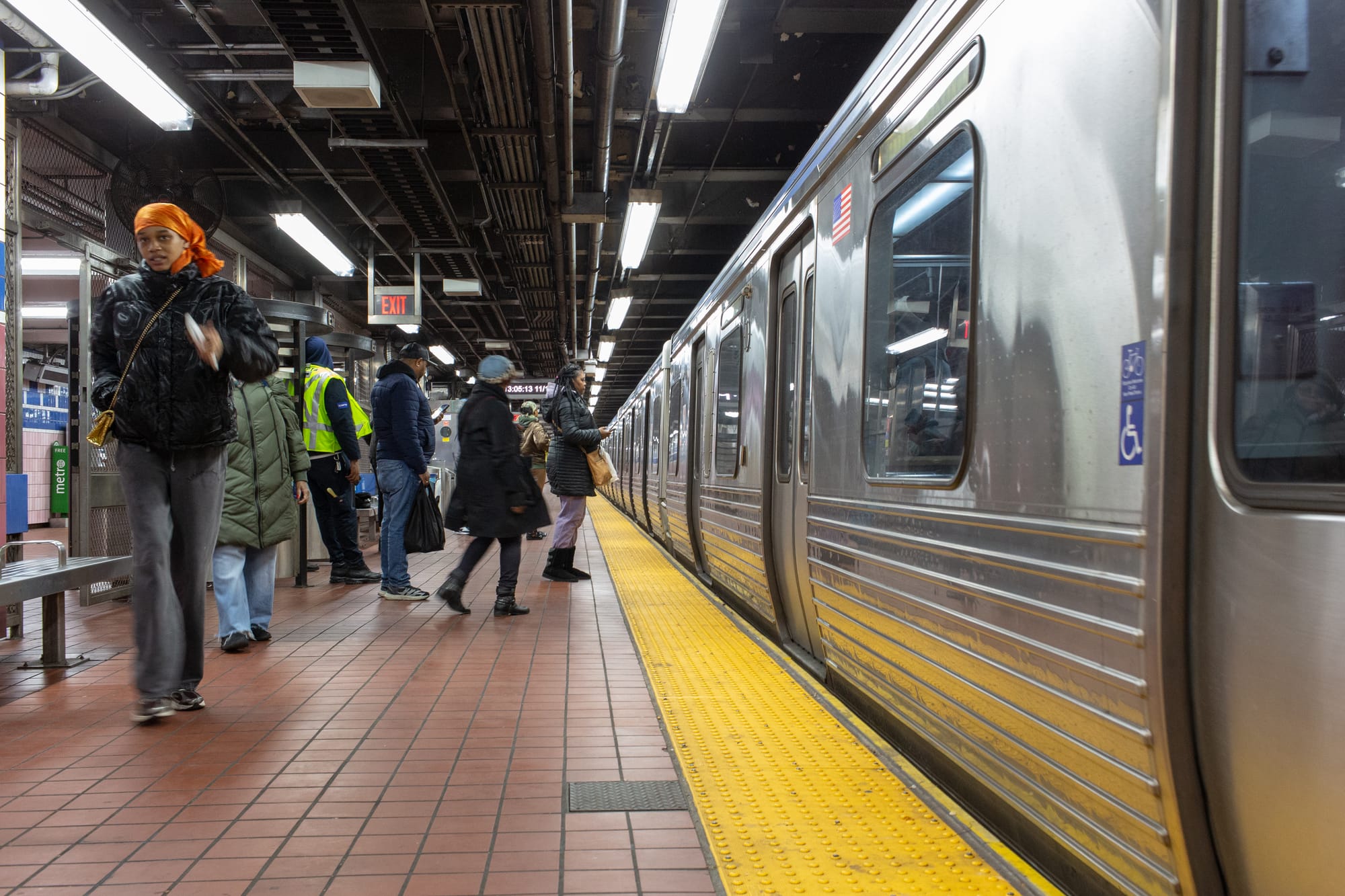
In practical terms, that means the system continues to operate under a cloud. Riders have already lived through service cuts, fare hikes, and months of anxiety about reliability and safety. Even during the recent snowstorm, unlike New York, SEPTA had serious issues with carrying out service. SEPTA has also recently warned of structural deficits tied to the expiration of federal pandemic relief dollars. Inflation has driven up operating costs. Ridership, while recovering, has not fully rebounded. None of that disappears because a future revenue source is penciled into a budget three fiscal years away.
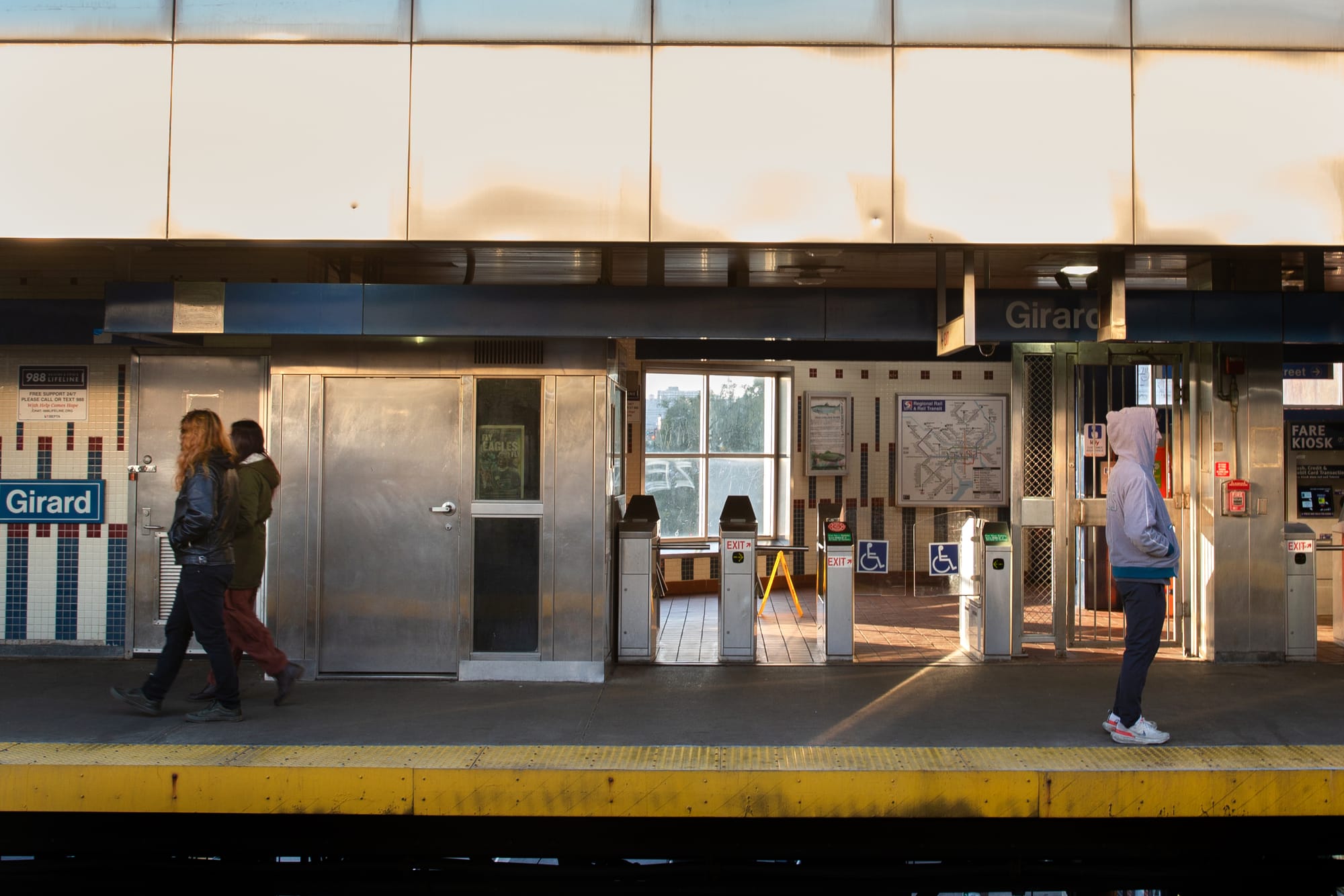
As I’ve written about before, Philadelphia is home to one of the largest public transit systems in the country. SEPTA moves hundreds of thousands of people a day across city and suburban lines. It connects West Philadelphia to Center City, Northeast Philadelphia to jobs in the suburbs, and Montgomery and Delaware Counties back into the urban core. It is the circulatory system of the regional economy. Yet in state budget debates, transit often reads like a line item.
Part of the political problem is geography. SEPTA’s footprint is concentrated in southeastern Pennsylvania, and its heaviest ridership is in Philadelphia. Lawmakers from rural and exurban districts can portray transit funding as a regional concern rather than a statewide priority. That framing ignores economic reality. Philadelphia is one of the main economic engines of Pennsylvania.
Another part of the problem is narrative. Crime headlines on subways, viral videos, and partisan rhetoric have reshaped the public conversation about urban transit. The story becomes one of disorder rather than of workers who depend on the Broad Street Line to make an early shift or students who rely on buses to get to Temple or Penn. The focus on safety is real and cannot be dismissed. Riders deserve to feel secure. But safety concerns have too often become a justification for underinvestment rather than a reason to stabilize and strengthen the system. For example, earlier this year a Republican State Senator called Philadelphia a crime filled “shit hole.”
The deferred funding model in the budget deepens that instability. When transit agencies do not know what their revenue stream will look like next year, long term planning becomes guesswork. Maintenance gets postponed. Hiring freezes become common. Capital projects stall. The result is a slow erosion that riders experience as longer waits and brittle schedules that fall apart after a single disruption.
Shapiro’s team argues that the sales tax shift will eventually provide a more reliable source of funding. That may be true. But the gap between now and 2027 is not theoretical. SEPTA has already floated the possibility of further service reductions if state support does not materialize. Each cut becomes harder to reverse. Once routes disappear, riders find alternatives, if they can. Some buy cars. Some simply lose access.
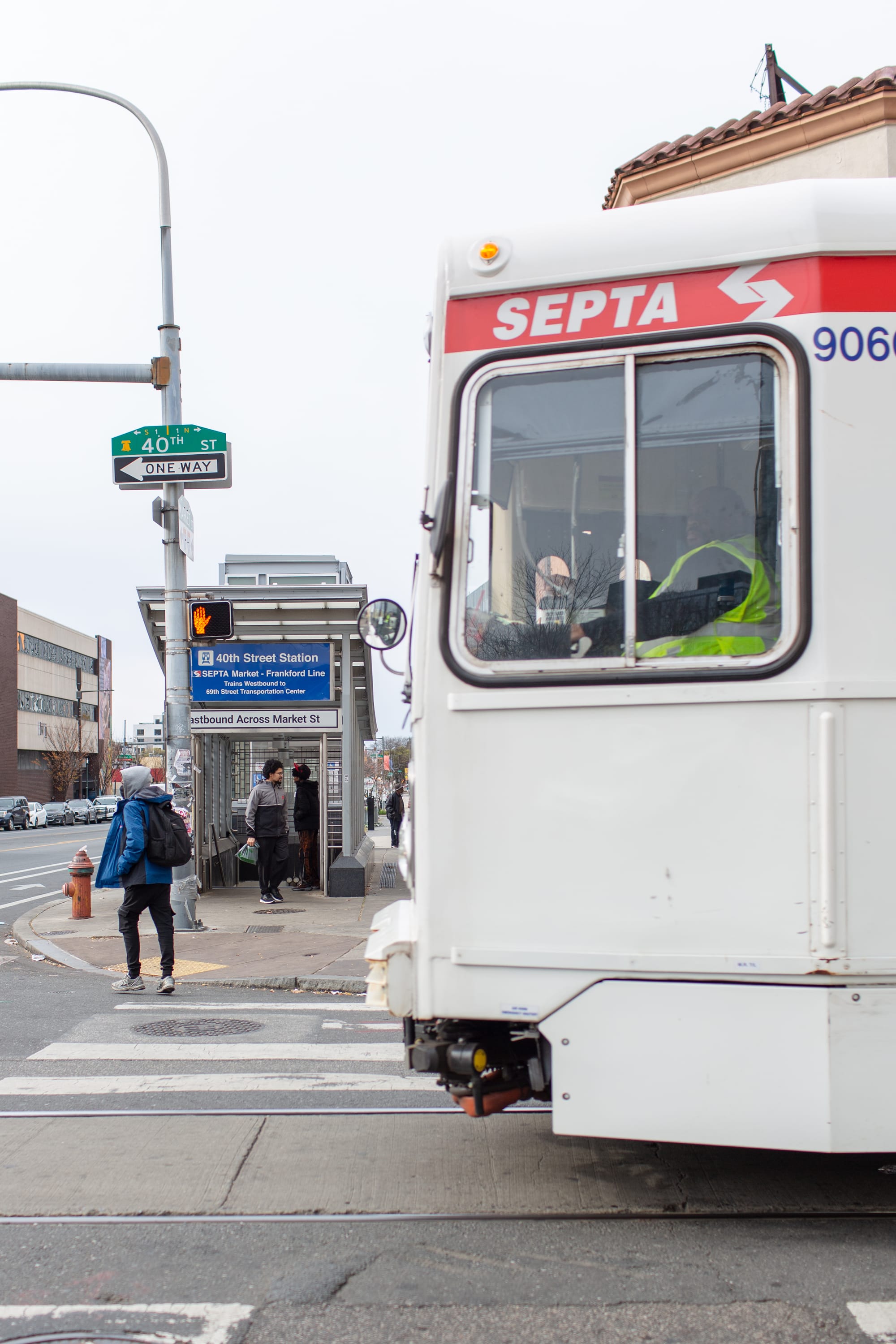
There is also a fairness question. The state has historically leaned heavily on Philadelphia’s tax base. The city sends more revenue to Harrisburg than it receives back in many categories. When it comes to transit, the stakes are especially high for lower income residents. Many households in Philadelphia do not own cars. For them, SEPTA is the only option.
This is not an argument against other priorities in the governor’s proposal. The other parts of the Governor’s proposal are impressive. Investing in public education and raising the minimum wage are long overdue steps. But those gains are undermined if workers cannot physically reach their workplaces or students cannot reliably get to school. Transit is the connective tissue that makes other investments function.
The larger question for Harrisburg is whether it sees SEPTA as a core part of Pennsylvania’s economic strategy or as a recurring problem to be managed. If the answer is the former, the funding approach should reflect urgency. Dedicated, recurring support in the near term would signal that the state understands transit as vital infrastructure.
Philadelphians are used to making do. They budget extra time for late trains. They memorize alternate bus routes. They share alerts in group chats when lines are suspended. That resilience has kept the system afloat through years of uncertainty. It should not be mistaken for satisfaction.
A $53 billion budget shapes the state’s priorities in concrete ways. The question for Shapiro and lawmakers is simple: does SEPTA represent a future “maybe one day” promise, or does it represent a present commitment?
-

Rotimi Adeoye
Rotimi Adeoye is a Philadelphia-based writer and columnist at The Daily Beast covering history, voting, and constitutional law. Formerly a speechwriter and Capitol Hill aide, he appears on MSNBC and writes for major publications.