Democrats Say They Want Fighters. Philly Is About to Test That.
Voters are not choosing a short term protest voice.
Democrats keep saying they want fighters. They say they are tired of members who cautiously speak politically correct while Republicans rip up safeguards and brag about it. In the Trump comeback era, the ideal Democrat is supposed to be someone who will go on TV, call out extremists by name, and sound as furious as the base feels.
Philadelphia’s race for the open seat in Pennsylvania’s 3rd Congressional District is about to test how much of that talk is real. This is one of the bluest districts in the country, a seat Republicans have effectively abandoned, and the winner of the primary will almost certainly hold it for as long as they want.
Larry Ceisler, a local public affairs executive who has watched city politics since the nineteen eighties, put it bluntly when we spoke.
“These seats do not come around too often,” Ceisler said. “Whoever wins this seat, unless they do something stupid or decide to run for higher office, they will be in that seat for as long as they want.”
That is the real context for the “fighter” debate. Voters are not choosing a short term protest voice. They are deciding what kind of power Philadelphia wants to anchor in Washington as a representative to speak for the city for the next decade.
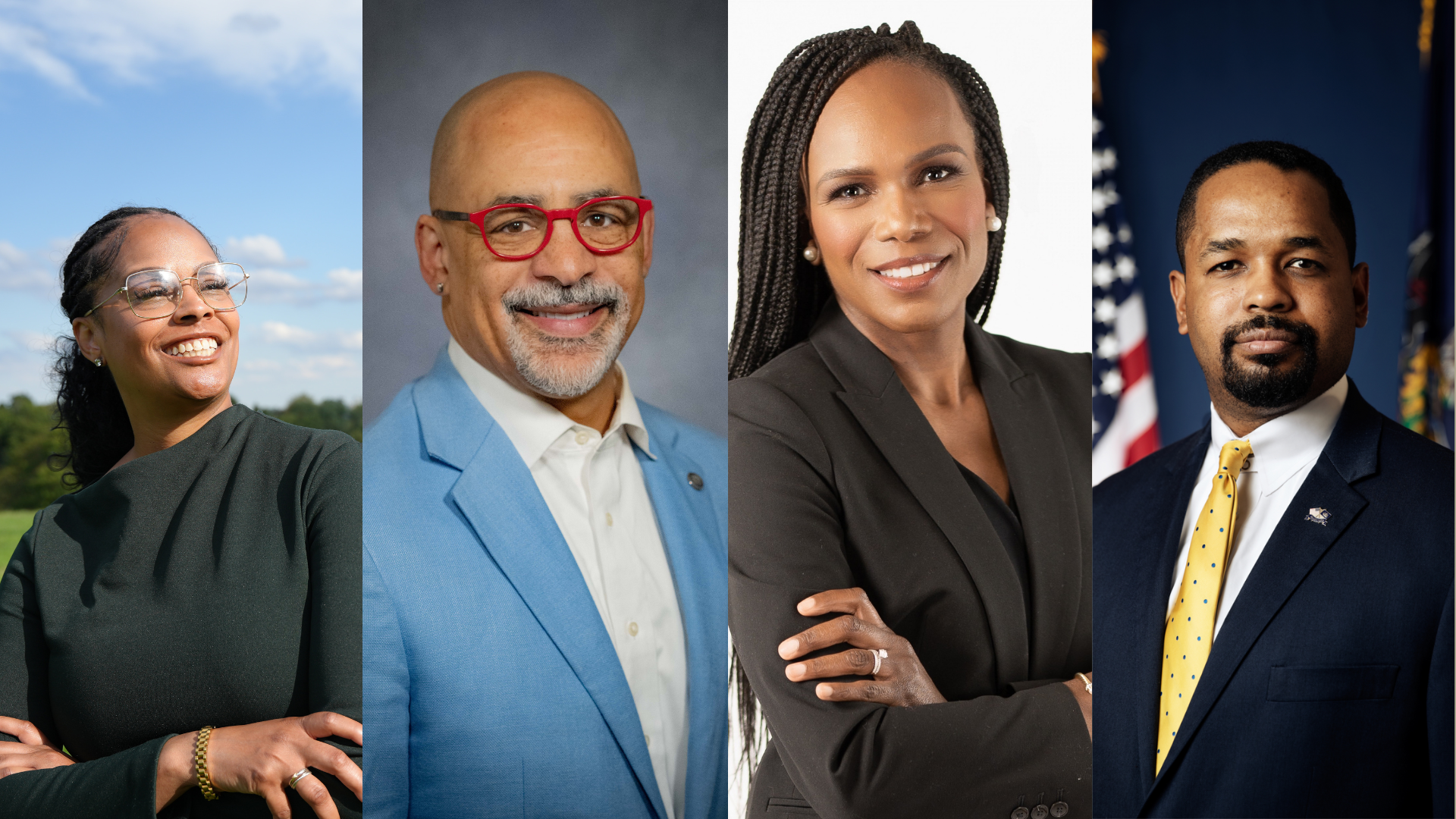
The choice in PA 03 is not abstract. The four major contenders – State Senator Sharif Street, State Representative Chris Rabb, State Representative Morgan Cephas, and Dr. Ala Stanford – each represents a different answer to what a safe Democratic seat is for.
Street is the institutionalist in the race, the Senate Democratic leader in Harrisburg and the son of a former mayor. His theory of power is rooted in relationships. He pitches himself as the person who already knows how to move money and legislation, and who can plug Philadelphia into the machinery of the state party and the House Democratic caucus.
Rabb is the movement candidate. As a West Philadelphia state representative, he has been more comfortable as a conscience than a backroom negotiator, talking about economic democracy and racial justice, and openly criticizing his own party when he thinks it has failed voters. If you believe safe blue districts exist to pull Democrats left on policy and tone, Rabb is the obvious vehicle.
Cephas sits closer to the classic neighborhood mobilizer. Her record in Harrisburg has focused on maternal health, public safety, and constituent services. She spends less time crafting national messages and more time talking about how policy lands in specific zip codes.
Stanford is the technocrat outsider, but with genuine establishment credentials. She founded the Black Doctors COVID 19 Consortium, became a local symbol of competence during the pandemic, and then served as President Biden’s regional director for the Department of Health and Human Services before returning to her clinic in North Philadelphia. Her pitch is that she understands both federal policy and the ways health systems routinely fail Black and brown communities.
Every one of them calls themselves a fighter. The real question in this race is what kind of fight Democrats in PA 03 actually want.
There’s one way to think of this race, as a national stage. In that story, the job of a member from a district Republicans cannot win is to be the sharp edge of the party, to push leadership from the left, to turn hearings into viral moments, to call Trump a danger to democracy in language that cannot be mistaken for polite dissent. Rabb is the candidate closest to that vision.
The other way to think about this race is as an engine. In that story, the point of being in a D plus forty district is not the sound of the speech but the size of the check. A member’s value is measured in infrastructure money, in hospital rescues, in grants for violence prevention, in whether their office can get a Social Security claim unstuck. Street, Cephas, and Stanford are not identical, but they all lean harder on governing biographies than ideological manifestos.
From a distance, it is easy to assume the first model has momentum. The party’s national arguments and the current conversation around the Democratic party revolve around who will “fight” the hardest, who will refuse compromise, who will match the intensity of the right. Network cable producers and podcasts book the loudest voices. Pollsters ask whether Democrats want more “fighters” and get a predictable “YES!”.
On the ground, the picture looks different.
Jack Inacker, the founder and executive director of FUBAR PAC, spends his time trying to make politics land in the attention economy. His veteran-led group has specialized in aggressive anti-MAGA stunts, from smashing a Tesla to protest Elon Musk and Trump’s budget cuts to a viral bald baby J. D. Vance mural in Fishtown. If anyone had a reason to argue that PA 03 could be won on TikTok and Instagram alone, it would be him.
The candidates, he notes, are online. Cephas, in particular, has been smart about daily TikTok updates similar to NYC Mayor-elect Zohran Mamdani that show what her campaign is doing. But Inacker does not think the primary will be decided on a phone screen. In his words, PA 03 “is a neighborhood by neighborhood race,” won in the “trenches” at doors, shaped by ward leaders and neighbors trading names, not just by algorithmic reach. While the digital presence matters, it is not the whole story.
Inacker also hears the desire for toughness that national Democrats like to talk about. This is a district that has punished Republicans harder than almost any other in the country. Voters here are not looking for someone who will work across the aisle at any price. What they want, he argued, is proof that a candidate will “fight for them specifically” on affordability, on health care, on fears about ICE raids or cuts to social programs. The target is the kitchen table, not just Donald Trump’s psyche.
Ceisler’s answer moves in the same direction from a different angle. If he were choosing a member for this district, he told me, he would not start by asking who would shout the loudest at Republicans. In a seat this safe, he said, the priority should be someone who can work with colleagues, including Republicans when that is what it takes, and who can “bring good things back to Philadelphia.” That definition of a fighter looks more like Dwight Evans than like an online star, and it is still powerful in a city that lives with chronic disinvestment.
Put all of that together and the real stakes of PA 03 come into focus. Three of the four leading candidates operate inside the familiar center left governing tradition that has defined Philadelphia Democrats for a long time. Rabb offers a sharper left project that treats a safe seat as a platform to challenge not only Republicans but the party’s own compromises.
If Rabb wins, it will be read as a choice to send a movement style fighter to Washington, someone whose main job is to pull the caucus in a more confrontational direction. If Street, Cephas, or Stanford wins, the signal will be that even in one of the most anti-Trump districts in the country, a lot of Democratic voters still want a different kind of fight, one measured less in viral clips and more in budget lines.
That outcome will not settle the debate over “fighters” for the rest of the party. It will do something more useful. It will show, in one very blue, very engaged district, which version of fighting feels credible to people who live with the daily consequences of national power and finally get a rare chance to decide what that power should look like for themselves.
-
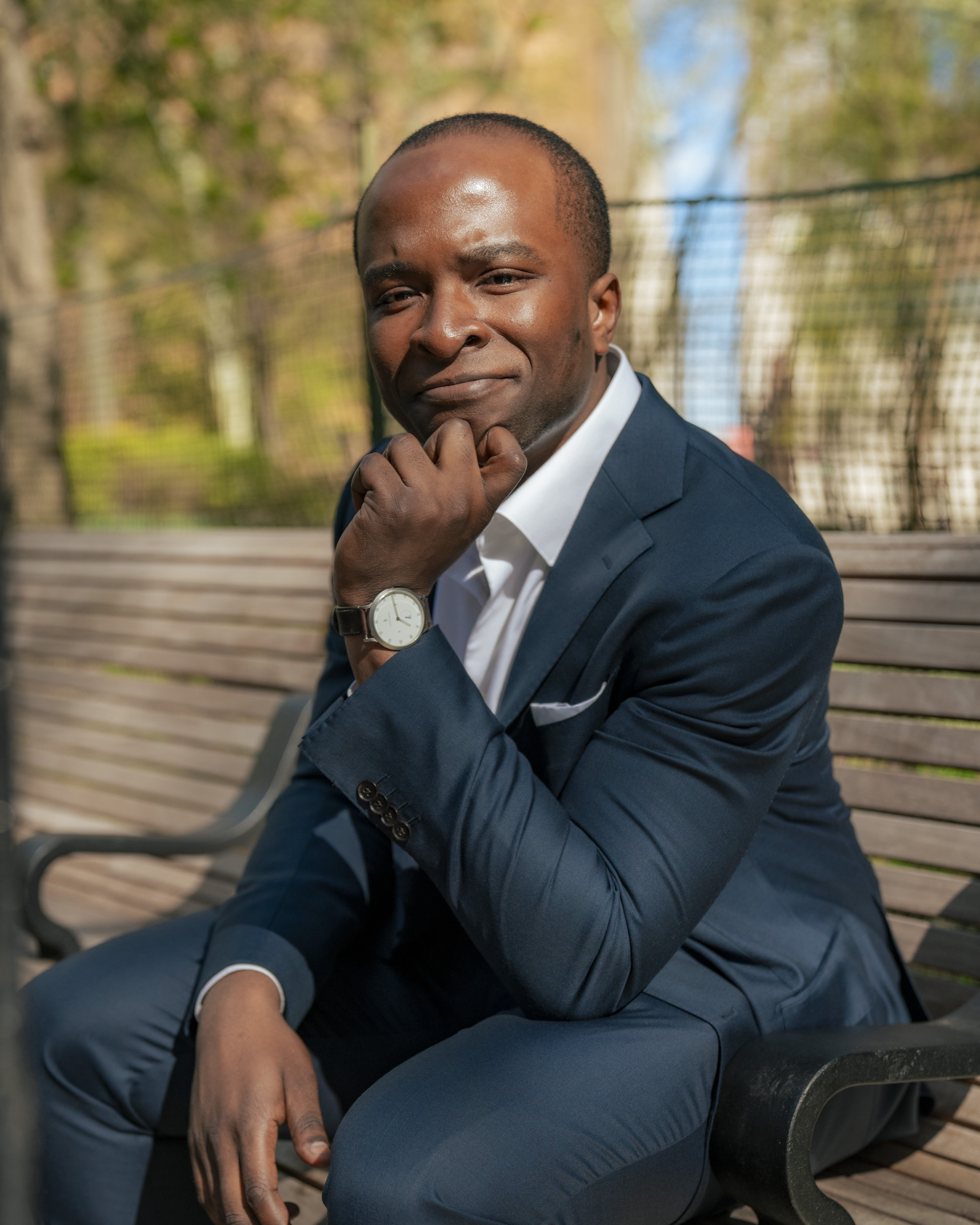
Rotimi Adeoye
Rotimi Adeoye is a Philadelphia-based writer and columnist at The Daily Beast covering history, voting, and constitutional law. Formerly a speechwriter and Capitol Hill aide, he appears on MSNBC and writes for major publications.