Resetting the Scales: Relationship expert Nedra Glover Tawwab on countering codependency
The celebrated therapist visits Philly Thursday to discuss her new book, The Balancing Act
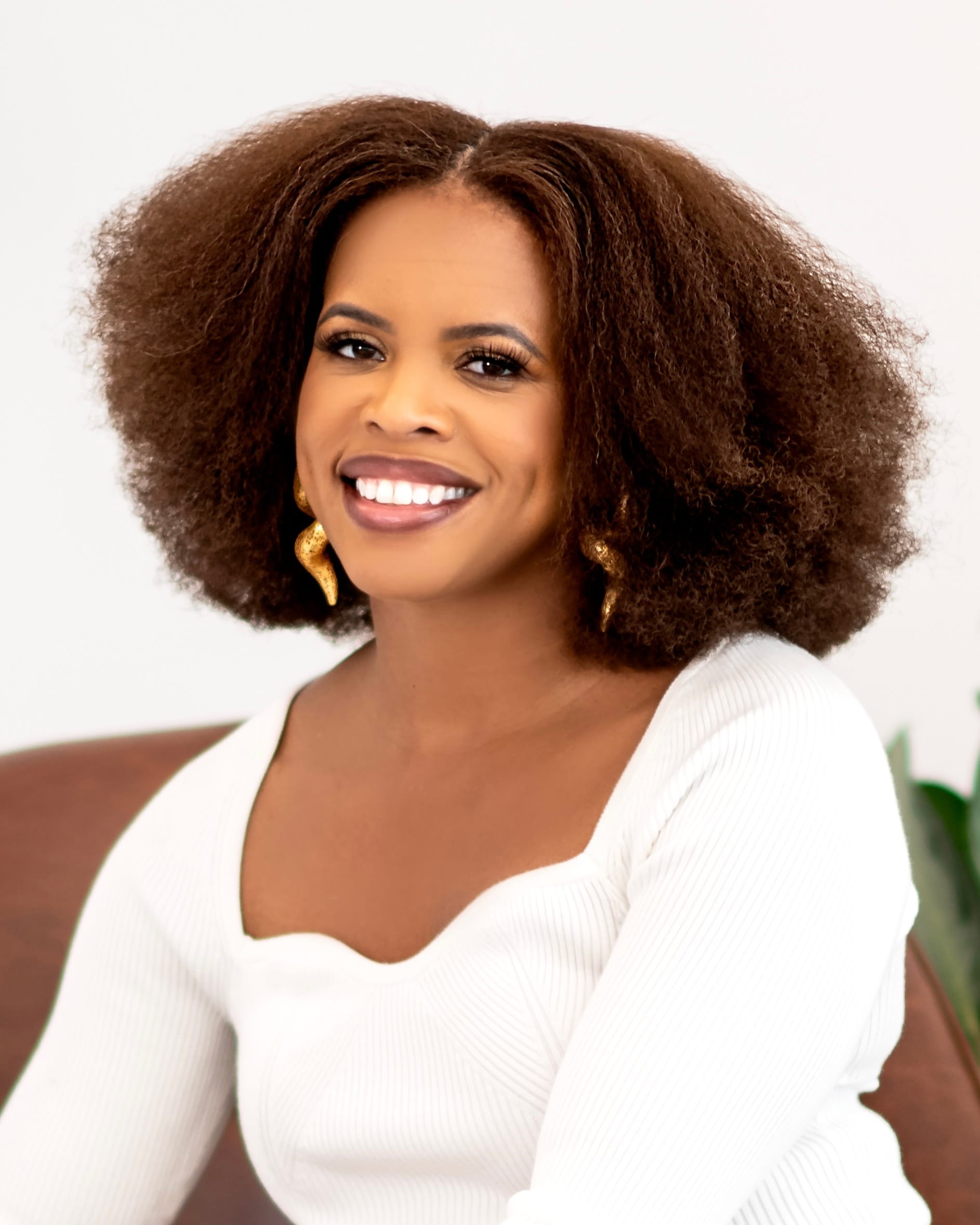
How much of our day-to-day lives happen through relationships? How many of our dreams do? Family, community, friendships, dating, work…committed partnership, accountability, liberation – at the end of the day, you need other people. As therapist and author Nedra Glover Tawwab writes, “relationships are the cornerstone of human engagement, and we can thrive when we create supportive connections with others.”
Tawwab, a relationship expert from Detroit, climbed her way to acclaim through Instagram. She joined in 2017, according to Time magazine, sharing self-help guidance, post by post. This was before it was a norm for therapists to earn popularity over social media, but Tawwab built a reputation for smart advice on how to set boundaries. Her first book, Set Boundaries, Find Peace, struck a chord with pandemic-impacted readers upon release— it came out in March 2021. No matter where her writing appears, she tends to break down highly layered relationship dynamics in quick, straightforward language that lands like common sense even if you have never heard it before.
Now, Tawwab has two million followers on Instagram and is touring her new book, The Balancing Act, released this Tuesday. Today, she’s visiting Philadelphia for a talk and singing at the Rittenhouse Square Barnes and Noble. Shortly before her book’s release, Tawwab, who is currently based in Charlotte, spoke with the Philly Download about some of The Balancing Act’s themes: unraveling codependency, naming hyper-independence, and getting clear relationship needs.
The Philly Download: In your writing, it's really clear that so much of what makes a good foundation is finding the balance within— setting the boundaries within, doing that internal self work. Could you describe some of the fundamental tactics for finding that internal balance that's necessary for having successful relationships with others?
Nedra Glover Tawwab: I would say the fundamental tactics would be the ability to listen, the willingness to be flexible in our approach to relationships, and also a bit of us personally working through our discomfort. When we have relationships with people you know, they have an idea of how things are supposed to happen, and we do too, and so we have to balance those two things, and hopefully continue to be in a relationship. I think we have challenges when one person is saying, ‘No, what I want is more important than what you're wanting.’
TPD: Whether it's been with kinship networks, family dynamics, workplaces, clubs, whatever it is, I've seen certain codependent dynamics that often seem to boil down to the balance or imbalance of labor. How would you recommend that people, if they see an imbalance of labor happening, how they go about correcting it fairly? And part of the reason why I asked this question is because something that I've seen to the point that you raised earlier, is that people have different understandings and expectations of what's fair?
Tawwab: I think fair is really based on our capacity. And I think there are some people who have more capacity in a relationship, and I don't think they should be punished for their capacity, but I think they do have to figure out what they like to do, what they're willing to do, and what they need to stop.
What I see people doing is beyond what they like to do. Like you may like to plan parties, but do you like to do all the logistics of it? What is my cut off with this thing that maybe I do like to do and I have the capacity for it— where can I pull in some support and ask other people to do it?
We also have to recognize when we are stepping up to do things, maybe because no one else is stepping up, and when we need to just let some things go. I think that there are times when people are doing too much and in hopes that other people will recognize it. And unfortunately, when you are doing things with the anticipation of someone saying, ‘Great job, congratulations,’ you may not get that love and praise that you want, because they aren't necessarily looking for you to do those things. So again, I think it's important to do, maybe what's needed for the relationship, and not always what we think should be done..
TPD: The Balancing Act is the first time that I ever saw anyone describe hyper-independence in detail. It just feels like language that we should have had in school. How would you describe it for people who might be today years old?
Tawwab: Hyper-independence looks like the person who is known as the strong one, the person who seems like they don't need any help, or who even says it like, ‘I can do everything myself,’ like, ‘I don't have anybody to depend on.’ They may have some instances of avoiding connection. They certainly struggle with accepting help, even when it's offered to them. They have developed this idea of ‘I can try to exist in the world without people, or at least I have been made to feel that I need to.’
When a person is hyper-independent, they do experience quite a bit of loneliness, because when they need something, they don't know how to reach out to a person who can fulfill that need, or they have not developed the relationships with people who can actually fulfill the need, because the hyper-independent person is typically the person caring for the hyper-dependent person. They go without their needs being met, and it's a very unfortunate thing, because we all have needs, and there is, you know, whether a person can do things on their own or they seem like they're capable of needing support.
TPD: You've been doing this work for years, and more and more people, especially since the pandemic, have become aware of your work. But what has this work taught you? How has your thinking shifted in recent years as you've been able to publish more books and talk to people more about what they've been experiencing?
Tawwab: I feel like the work is never done. I don't know if that's a good thing to say, but I feel like it's ongoing. There's always something new. So even you know, writing, Set Boundaries, Find Peace and releasing it in 2021— I feel like so many things with boundaries have changed. The world has changed. The way that we talk about things has changed. The boundaries we needed in the pandemic are not the boundaries that we need in the era of AI and ChatGPT. Humans are evolving, and we have the capacity to be better and to be healthier in our relationships.